Unpacking the Tesla Phenomenon: More Than Just Electric Cars
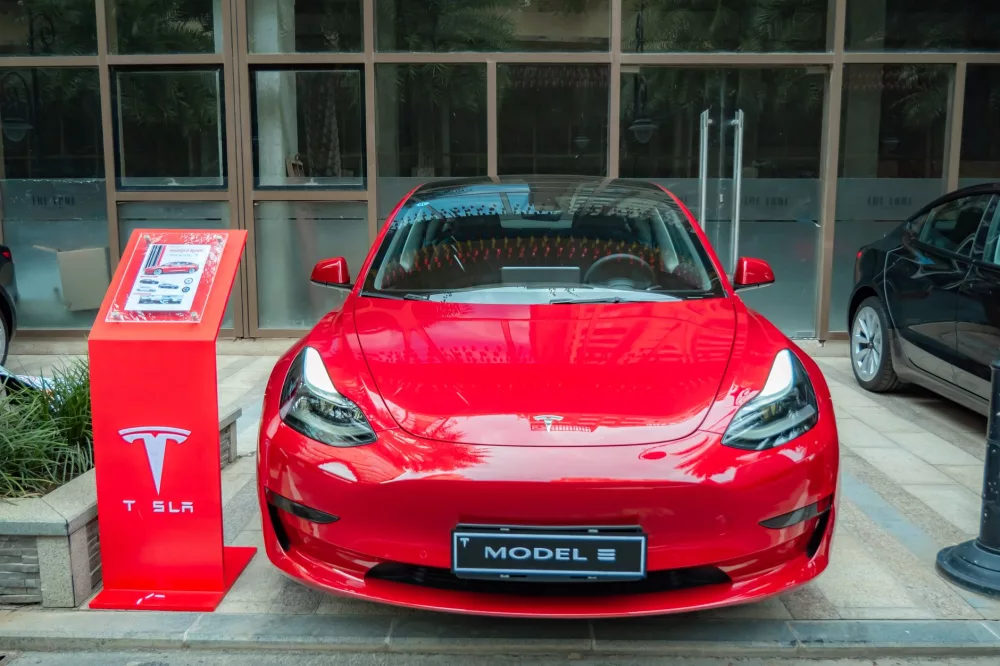
When we talk about Tesla, Inc., it's easy to get caught up in the hype or the controversies. But if you take a step back, what you see is a company that's undeniably reshaped several industries and, I think, profoundly influenced the global conversation around sustainable energy and technology. It isn't just an automotive company; it's an energy company, an AI company, and in many ways, an innovation engine that keeps pushing boundaries.
The Genesis of an Electric Revolution
For a long time, electric vehicles (EVs) felt like a niche, perhaps a bit of a compromise. They were often slow, had limited range, and certainly weren't seen as aspirational. Then came Tesla. I remember when the original Roadster hit the scene in 2008. It was a revelation, showing everyone that an electric car could be fast, sleek, and genuinely desirable. It really challenged the conventional wisdom of what an EV could be.
Building on that, the Model S, launched in 2012, was a game-changer. This wasn't just a sports car; it was a luxury sedan with incredible performance, impressive range, and a minimalist, technology-rich interior that felt decades ahead of its time. I think it's fair to say that the Model S made EVs cool, and that shift in perception was absolutely critical for the industry's growth. It opened people's eyes to the possibilities, proving that you didn't have to sacrifice performance or style for sustainability.
Scaling Up: The Mass Market Push
While the Model S and X established Tesla's premium brand, the real disruption, in my opinion, began with the Model 3. This was the car designed for the mass market, aiming for a much broader audience. It wasn't an easy journey, with well-documented production hell and challenges in scaling up manufacturing, but they eventually pulled it off. The Model 3, followed by the Model Y crossover, became best-sellers in numerous markets, proving that there was a huge appetite for affordable, high-performing electric vehicles.
What sets Tesla's cars apart, beyond their electric powertrains, is the integrated software experience. The large central touchscreen, over-the-air updates that consistently improve features and performance, and the seamless connectivity were features that traditional automakers struggled to match. It’s like they approached car design from a software-first perspective, which is a significant departure from the mechanical-first approach we’d been used to.
Beyond the Road: Tesla's Broader Ambitions
While cars get most of the headlines, it's important to remember that Tesla's mission is about accelerating the world's transition to sustainable energy. This mission extends far beyond just vehicles. We've seen significant developments in their energy division.
- Solar Solutions: From solar panels to their innovative Solar Roof tiles, Tesla has been working to integrate clean energy generation directly into homes and businesses. It's about empowering consumers to produce their own clean power.
- Battery Storage (Powerwall & Megapack): This is where Tesla's expertise in battery technology truly shines. The Powerwall for homes allows for energy independence and grid stability, while the massive Megapack systems are designed for utility-scale energy storage, helping grids integrate more renewable energy and preventing blackouts. I believe this aspect of their business is just as important, if not more so, for global decarbonization efforts in the long run.
The AI and Robotics Frontier
Another area where Tesla is investing heavily is artificial intelligence and robotics. When we talk about Autopilot and Full Self-Driving (FSD) capabilities in their vehicles, we're really talking about sophisticated AI systems that interpret the world through cameras and process vast amounts of data. This isn't just about convenience; it's about making driving safer and, eventually, autonomous. I know there are ongoing debates and concerns about FSD's readiness, and rightly so, but the technological ambition is undeniable.
Then there's the Optimus robot. This humanoid robot, still in its early stages, represents a long-term vision for general-purpose AI and robotics. If successful, it could revolutionize various industries by automating repetitive or dangerous tasks. It's a huge leap, and naturally, it sparks a lot of discussion about the future of labor and human-robot interaction.
Challenges and the Path Ahead
Of course, Tesla's journey hasn't been without its significant hurdles. There have been numerous production bottlenecks, quality control issues (especially in earlier models), and intense competition from legacy automakers and new EV startups alike. Maintaining market leadership requires constant innovation and operational excellence, and that's a tough balancing act.
Elon Musk, the CEO, is a polarizing figure, and his public statements and influence on the company's stock price often generate headlines, sometimes overshadowing the underlying technological advancements. Managing public perception and regulatory scrutiny, particularly regarding FSD, are ongoing challenges. It’s a company that lives under an intense spotlight, which means every misstep is amplified.
Despite these challenges, Tesla has had an undeniable impact. They've forced the automotive industry to electrify much faster than anyone anticipated, accelerating the transition away from fossil fuels. They've also shown that a vertically integrated approach, from battery manufacturing to software development and charging infrastructure (like the Supercharger network, which is truly amazing), can yield significant advantages.
Looking ahead, I anticipate Tesla will continue to push the boundaries in battery technology, aiming for greater energy density and lower costs. We'll likely see further expansion of their manufacturing capabilities with more Gigafactories coming online globally. The Cybertruck and the next generation of Roadster are also on the horizon, promising to keep things interesting. Whether they achieve their more ambitious AI and robotics goals remains to be seen, but you can bet they'll keep trying. Their story, I think, is a fantastic example of what happens when you combine audacious vision with relentless engineering, even if it comes with its share of bumps in the road.
Editorial Team
Senior staff writer & editor delivering comprehensive analysis, news reports, and detailed guides.