Can Dogs Eat Salmon Skin? A Detailed Look at the Risks and Benefits
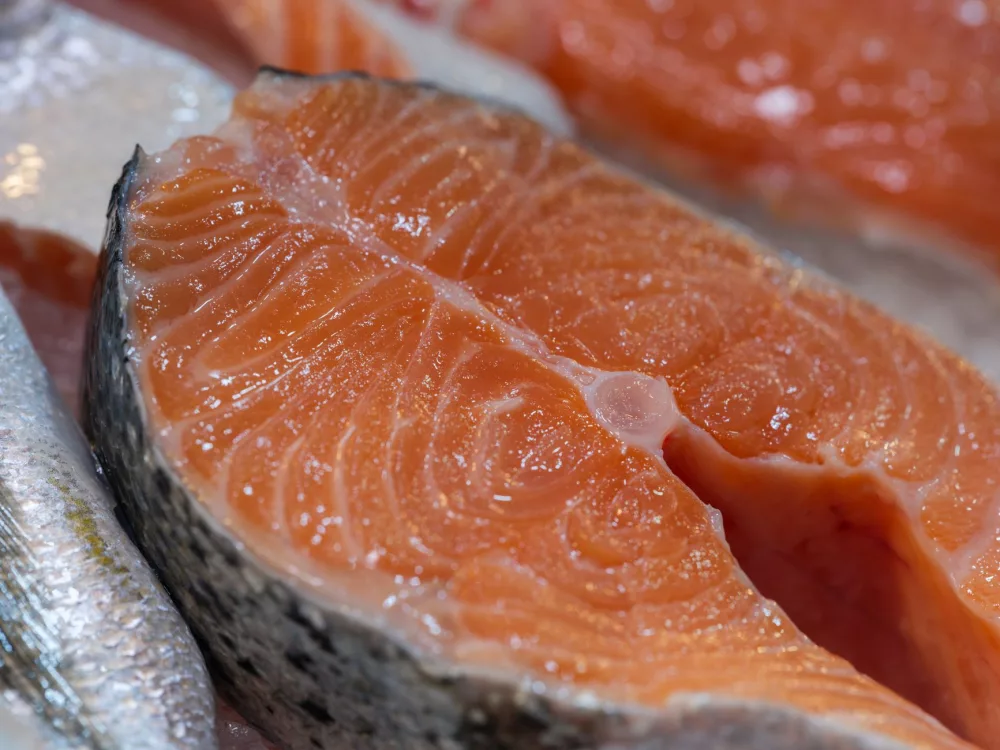
Alright, let's tackle a really common question I get from fellow pet parents: "Can dogs eat salmon skin?" It's a natural thing to wonder, isn't it? We often hear about how good salmon is for us and even for our furry friends. It's packed with those fantastic omega-3 fatty acids, which are like super fuel for a healthy coat, sharp mind, and even strong joints. So, you'd think the skin, being part of this superfood, would be fine too, right?
The Appeal of Salmon Skin: What Makes It Seem Good?
When you're filleting a salmon, that skin just peels off, sometimes looking so enticingly crispy after cooking. My own dog, bless his heart, watches me with those big, hopeful eyes whenever there's any fish involved. The truth is, salmon itself, when prepared correctly, is a wonderful addition to a dog's diet. It's rich in protein, vitamins D and B, and, of course, those renowned omega-3s (EPA and DHA) that can do wonders for your dog's skin, coat, and cognitive function, and can even help reduce inflammation.
Given all that goodness, it's easy to assume the skin carries similar benefits, and in a way, it does. Salmon skin contains a concentrated amount of these healthy fats. However, it's not quite as simple as just tossing it to your pup. There are some really important considerations and potential dangers we absolutely need to discuss before you even think about giving your dog salmon skin.
The Big 'If': Cooked vs. Raw Salmon Skin
This is probably the most crucial distinction we need to make right off the bat. If you're thinking about feeding your dog salmon skin, it absolutely, unequivocally must be cooked thoroughly. Raw salmon, and by extension, raw salmon skin, poses a serious health risk to dogs. Here's why:
- Parasites: Raw salmon, especially wild-caught salmon, can harbor a parasite called Nanophyetus salmincola. This parasite itself isn't usually the direct cause of illness, but it can carry a bacterium called Neorickettsia helminthoeca, which causes something truly nasty known as Salmon Poisoning Disease (SPD). SPD is a severe, potentially fatal illness characterized by vomiting, diarrhea, fever, loss of appetite, and swollen lymph nodes. It's a medical emergency, and if you suspect your dog has eaten raw salmon and shows these symptoms, you need to get them to the vet immediately. Cooking kills both the parasite and the bacteria.
- Bacteria: Just like any raw meat, raw salmon skin can also carry other common bacteria like Salmonella or Listeria, which can cause gastrointestinal upset in dogs, and in severe cases, more serious systemic infections.
So, rule number one: Never feed your dog raw salmon skin. Only cooked salmon skin should even be considered.
The Hidden Dangers Even in Cooked Salmon Skin
Okay, so we've established that cooked is the only way to go. But even then, there are still significant hurdles and risks that make feeding salmon skin to your dog a tricky proposition. I'd argue, for most people, it's often not worth the potential trouble.
1. Excessive Fat Content
While omega-3s are good fats, salmon skin is generally very high in fat overall, not just the beneficial kind. This can be a real problem for dogs, especially those with sensitive stomachs or a history of pancreatitis. A sudden influx of rich, fatty food can trigger pancreatitis, a painful and dangerous inflammation of the pancreas. Symptoms often include severe abdominal pain, vomiting, diarrhea, and lethargy. It's a serious condition that requires veterinary attention.
2. Seasonings, Oils, and Additives
Think about how we usually prepare salmon. We often season it with salt, pepper, garlic powder, onion powder, herbs, and cook it in butter or oil. Many of these ingredients are toxic or harmful to dogs:
- Salt: Too much sodium can lead to salt poisoning, causing vomiting, diarrhea, tremors, and even seizures.
- Garlic and Onion: These are part of the Allium family and are highly toxic to dogs, causing damage to red blood cells.
- Excessive Oils/Butter: Adds to the already high-fat content, increasing the risk of pancreatitis and general digestive upset.
- Other Spices: Many common spices, while harmless to humans, can cause gastrointestinal irritation in dogs.
If you're going to share salmon skin, it absolutely must be plain – no seasonings, no added oils, no butter. This dramatically limits how appealing it might be to you, meaning you'd have to prepare a separate, bland piece just for your dog.
3. Choking Hazard and Small Bones
Even after cooking, salmon skin can be tough, leathery, and difficult for some dogs to chew properly. This presents a choking hazard, especially for smaller dogs or those who tend to gobble their food without much chewing. Furthermore, while we try to remove all bones from salmon fillets, tiny pin bones can sometimes be missed. These small, sharp bones can get lodged in your dog's throat, esophagus, or stomach, causing injury or obstruction.
4. Source and Contaminants
The source of your salmon matters. Wild-caught salmon is generally preferred for its nutritional profile, but as mentioned, it carries a higher risk of parasites if raw. Farmed salmon, while less likely to have parasites (due to controlled diets), can sometimes have higher levels of environmental contaminants like PCBs, depending on farming practices. While cooking reduces parasite risk, it doesn't eliminate chemical contaminants. Always choose high-quality, reputable sources for any fish you feed your dog.
My Recommendation: Is Salmon Skin Worth the Risk?
Honestly, as a pet parent who's always prioritizing my dog's safety and health, I'd lean towards not feeding salmon skin. The potential risks often outweigh the benefits, especially when there are so many safer, more controlled ways to get those wonderful omega-3s into your dog's diet.
If you absolutely insist on giving your dog salmon skin, here's the safest way to approach it:
- Plain and Cooked: It must be thoroughly cooked, unseasoned, and free of any oils or butter.
- Bone-Free: Meticulously remove every single bone, no matter how small.
- Small Pieces: Cut the cooked, bone-free skin into very small, manageable pieces to reduce choking hazards.
- Moderation: Offer it only as a very rare, tiny treat. It should never be a significant part of their diet.
- Observe: After feeding, watch your dog closely for any signs of digestive upset, allergic reaction, or discomfort.
Safer Alternatives for Omega-3s
Instead of salmon skin, I strongly recommend these safer options to boost your dog's omega-3 intake:
- Cooked Salmon Fillet: A small piece of plain, cooked, boneless, and skinless salmon fillet is a fantastic, safe treat.
- Fish Oil Supplements: High-quality fish oil specifically formulated for dogs (like salmon oil or sardine oil) is perhaps the easiest and safest way to ensure they get a consistent, appropriate dose of omega-3s without any of the risks of whole fish. Talk to your vet about the right dosage.
- Omega-3 Rich Dog Foods: Many premium dog foods now include omega-3s from fish sources, ensuring a balanced intake in their daily meals.
- Other Fish: Small, fatty fish like sardines (packed in water, no salt) are also excellent sources of omega-3s and are generally safer due to their size and lower contaminant load.
When to See the Vet
If your dog accidentally gets into some raw or heavily seasoned salmon skin, or if they eat a large amount of cooked skin and start showing concerning symptoms, don't hesitate. Contact your veterinarian immediately. Symptoms like severe vomiting, diarrhea, lethargy, loss of appetite, abdominal pain, or difficulty breathing warrant urgent professional medical attention.
Ultimately, while the idea of sharing a healthy treat like salmon skin with our dogs is lovely, the practicalities and potential dangers mean it's often not the best choice. There are much safer and equally effective ways to ensure your canine companion gets all the benefits of omega-3 fatty acids without putting them at unnecessary risk.
Editorial Team
Senior staff writer & editor delivering comprehensive analysis, news reports, and detailed guides.